

Chiropractic X-Rays in San Diego
Getting a Clearer Look at Your Spine
When it is clinically appropriate, X-rays can offer additional information about the structure, alignment, and overall condition of the spine. That added detail can help our team better understand what is happening beneath the surface, alongside your history and examination.
Imaging is never automatic. We start with a conversation and an examination.
What Are Chiropractic X-Rays?
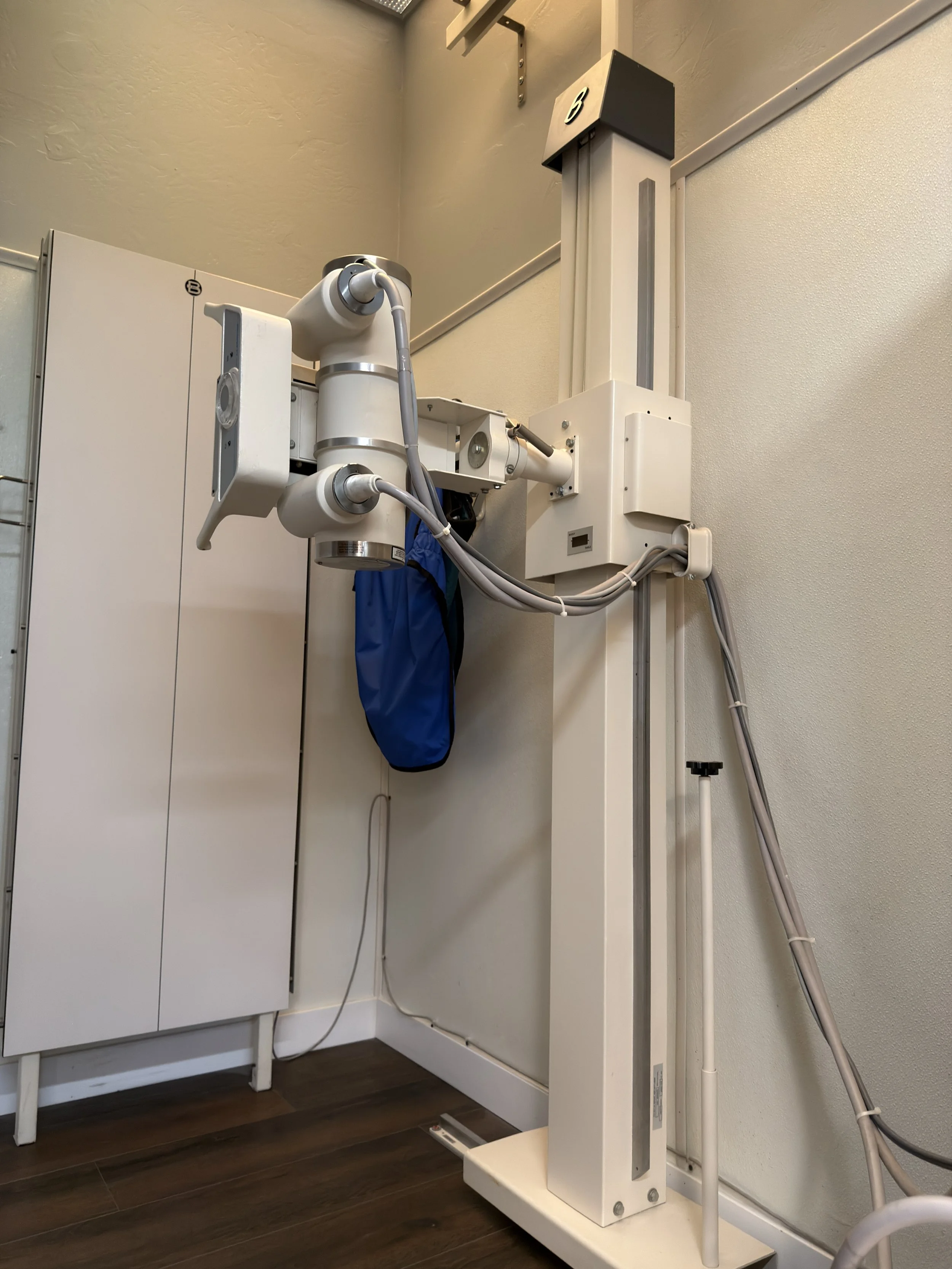
Chiropractic X-rays are imaging studies of the spine and related joints that a chiropractor may recommend when the history and examination suggest more information about the bones would be useful. They are one tool among several, used only when clinically appropriate.
Why Might a Chiropractor Recommend X-Rays?
A thorough examination tells us a great deal. In certain situations, imaging can add useful information that an external exam alone cannot provide.
Structural Evaluation
X-rays can provide information about the position and structure of bones and joints.
Previous Injuries
Imaging may help show evidence of past fractures, trauma, or structural changes.
Spinal Alignment
Depending on the clinical situation, imaging offers another perspective on alignment and structural relationships.
Degenerative Changes
X-rays may demonstrate certain age-related or degenerative changes affecting bones and joints.
Treatment Planning
When imaging is clinically warranted, the findings may help inform an individualized care plan. See how that connects to corrective care plans.
Knowing When to Look Further
Imaging findings may occasionally suggest that additional medical evaluation or a different type of imaging should be considered.
What Can a Spinal X-Ray Show?
X-rays are particularly useful for visualizing bones and certain structural characteristics. Depending on the individual, a spinal X-ray may help show:
- Vertebral positioning
- Spinal curvature
- Bone structure
- Joint spacing
- Certain degenerative changes
- Previous fractures or trauma
- Certain structural abnormalities

Looking Beyond Symptoms: Understanding Structure and Posture
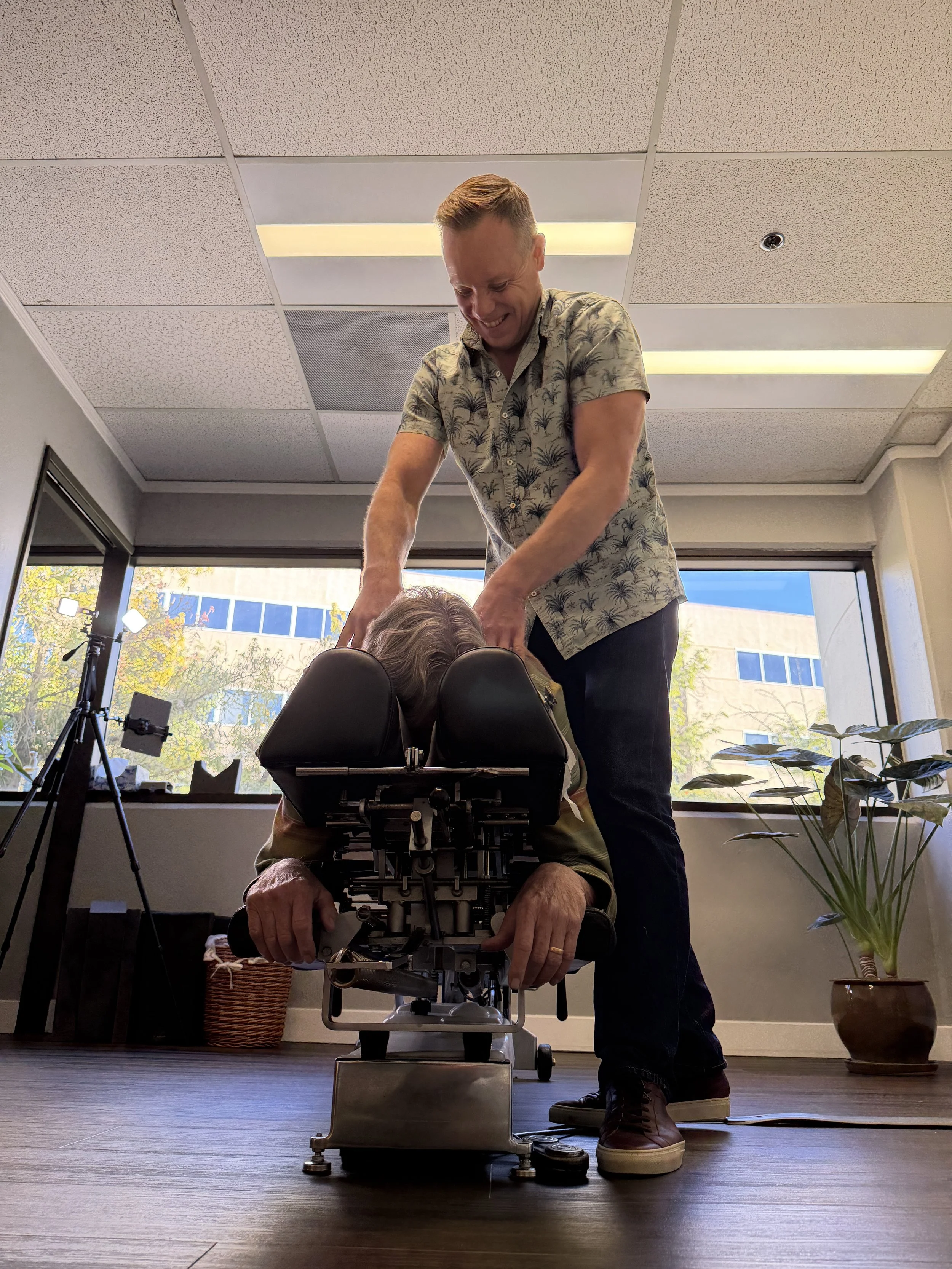
Posture and spinal alignment are best understood through a combination of approaches, not a single test:
- Health history
- Physical examination
- Postural assessment
- Movement evaluation
- Other appropriate clinical testing
- Imaging when clinically indicated
The goal is a more complete understanding of you, not a narrow focus on one symptom.
Does Every Chiropractic Patient Need X-Rays?
Whether X-rays are appropriate depends on each person's history, examination, symptoms, clinical findings, and other relevant factors. Some patients may benefit from imaging, and many will not need it.
At Biophysics Chiropractic, we believe evaluation should be individualized. Imaging is a clinical decision we discuss with you, never an automatic step. Looking for the basics of your first visit? See our new patient information.
What to Expect During Your Chiropractic Evaluation
A clear, unhurried process, with your questions welcome at every step.
Consultation
We discuss your health history, current concerns, previous injuries, lifestyle, activity levels, and goals.
Physical & Postural Evaluation
Your chiropractor evaluates relevant movement, posture, spinal function, and physical findings.
Imaging When Appropriate
If findings suggest X-rays or other imaging may be useful, your chiropractor explains the reasoning and available options with you.
Review & Recommendations
Relevant findings are reviewed with you alongside the examination to discuss sensible next steps and possible care recommendations.
Imaging Is Only One Part of Your Evaluation
Care decisions should never rest on an X-ray alone. Any imaging findings are weighed together with the rest of your clinical picture:
- Patient history
- Symptoms
- Physical examination
- Functional movement
- Posture
- Lifestyle
- Your goals
- Other clinical findings
A More Complete Look at Your Spine
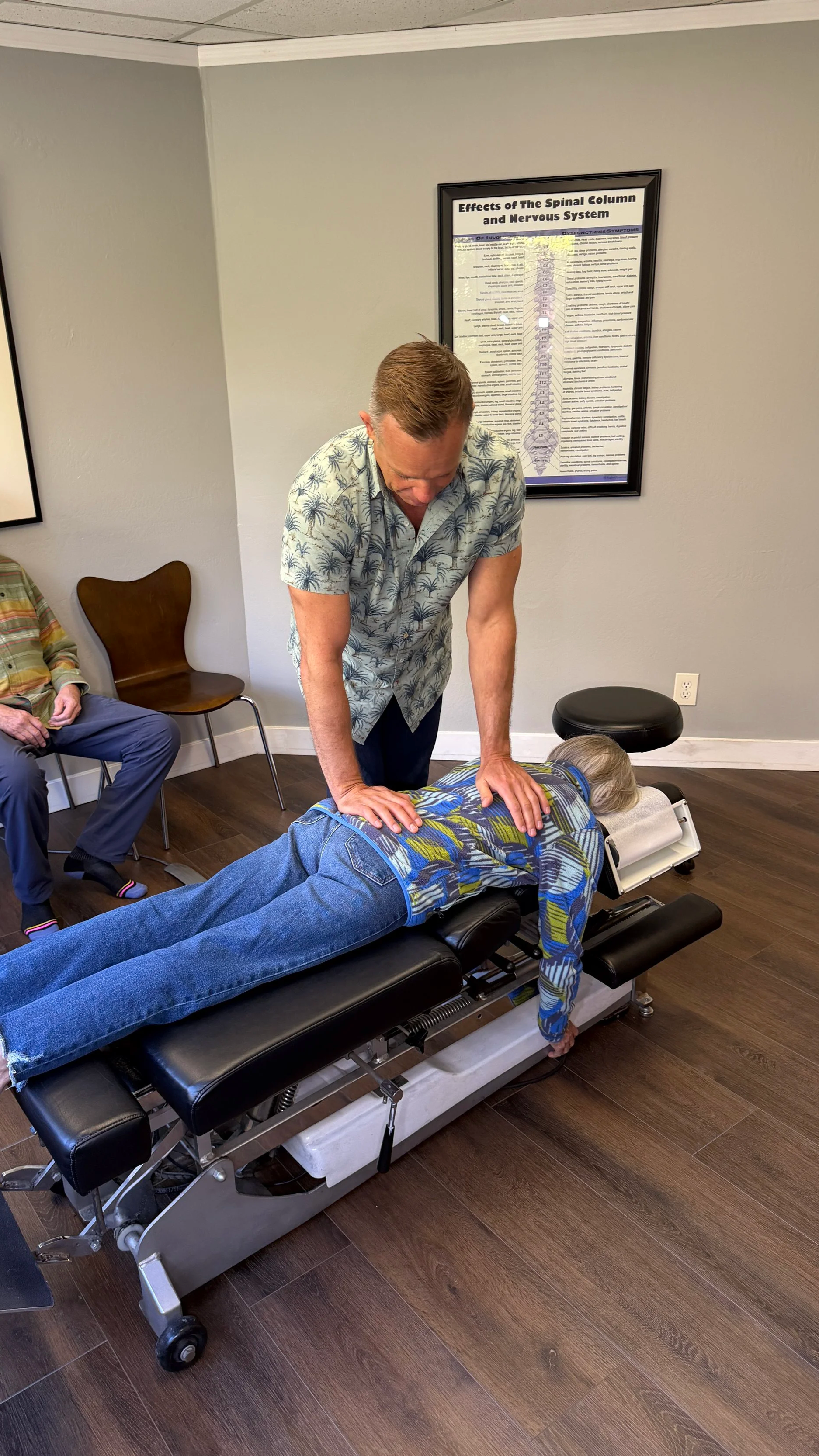
Looking at spinal structure, posture, movement, symptoms, and everyday activities together creates a fuller clinical picture than any single measure. Our approach to chiropractic care follows a simple rhythm:
Plans may include chiropractic adjustments and other recommendations suited to you. Individual responses vary, and we do not promise specific outcomes.
When Might a Spinal Evaluation Be Helpful?
These are common reasons people schedule an evaluation. They do not mean X-rays are needed. After your visit, the chiropractor determines what kind of assessment, if any, is appropriate.

Chiropractic Care for the San Diego Community
Biophysics Chiropractic is a San Diego chiropractic office built around approachable, individualized care for people and families, from active lifestyles to everyday posture and spinal health.
Whether you are curious about a chiropractic evaluation in San Diego, recovering from an injury, or simply want to understand your spine better, we will listen first and explain every recommendation in plain language. Get to know our team and story.
Our office is at 5820 Oberlin Dr, Suite 204, San Diego.
Frequently Asked Questions About Chiropractic X-Rays
Do chiropractors take X-rays?
Some chiropractors use or recommend imaging when it is clinically appropriate. Whether it makes sense depends on the individual patient, not on a standard routine.
Do I need X-rays before seeing a chiropractor?
Not necessarily. Imaging decisions depend on your history, examination, symptoms, and clinical circumstances. Many people begin with a consultation and examination only.
Why would a chiropractor recommend an X-ray?
To obtain additional information about bones, joints, previous injury, structural concerns, or other clinically relevant findings that an external examination cannot fully show.
What can a spinal X-ray show?
X-rays are useful for viewing bones and structural relationships, including spinal curvature, joint spacing, certain degenerative changes, and signs of previous fractures. They have limits: they do not show every source of pain and do not display soft tissues the way MRI does.
Can an X-ray show a pinched nerve?
Standard X-rays primarily show bones. They cannot directly visualize nerves, although they may show bony changes near where nerves travel. If a nerve problem is suspected, your chiropractor may discuss other evaluation options.
Can X-rays show a herniated disc?
Standard X-rays do not directly visualize spinal discs the way MRI does. They may show disc spacing and related bony changes, but they cannot confirm a disc herniation on their own.
Are chiropractic X-rays safe?
X-rays involve ionizing radiation, so they should be used thoughtfully and only when clinically appropriate. They are not described as completely harmless, which is why the decision is individualized and discussed with you first.
How will I know whether I need an X-ray?
Your chiropractor reviews your history and examination findings first, then explains whether imaging may be appropriate and why. You are welcome to ask questions before deciding.
Will my chiropractor explain my X-rays to me?
Yes. Relevant findings can be reviewed with you as part of discussing your evaluation and possible next steps.
Can I bring previous X-rays or imaging with me?
If you have relevant existing imaging or medical records, ask our office whether they would be helpful for your evaluation. Our new patient page has more on getting started.
Want a Clearer Understanding of Your Spine?
If you're experiencing discomfort, noticing changes in your posture, recovering from an injury, or simply have questions about your spinal health, the first step is a conversation. Schedule a consultation with Biophysics Chiropractic and let our team determine what type of evaluation may be appropriate for you.
No pressure, no obligation. This page is educational and is not a substitute for individualized medical advice.