

Neck Pain: Understanding the Cause and Finding the Right Approach
Neck discomfort can range from occasional stiffness to persistent pain that affects work, sleep, exercise, driving, and everyday activities. It can have many possible causes, which is why understanding your individual situation matters before deciding on the right course of care.
Dr. Conn at Biophysics Chiropractic offers conservative, evaluation-first care for neck pain and stiffness. Individual results vary.
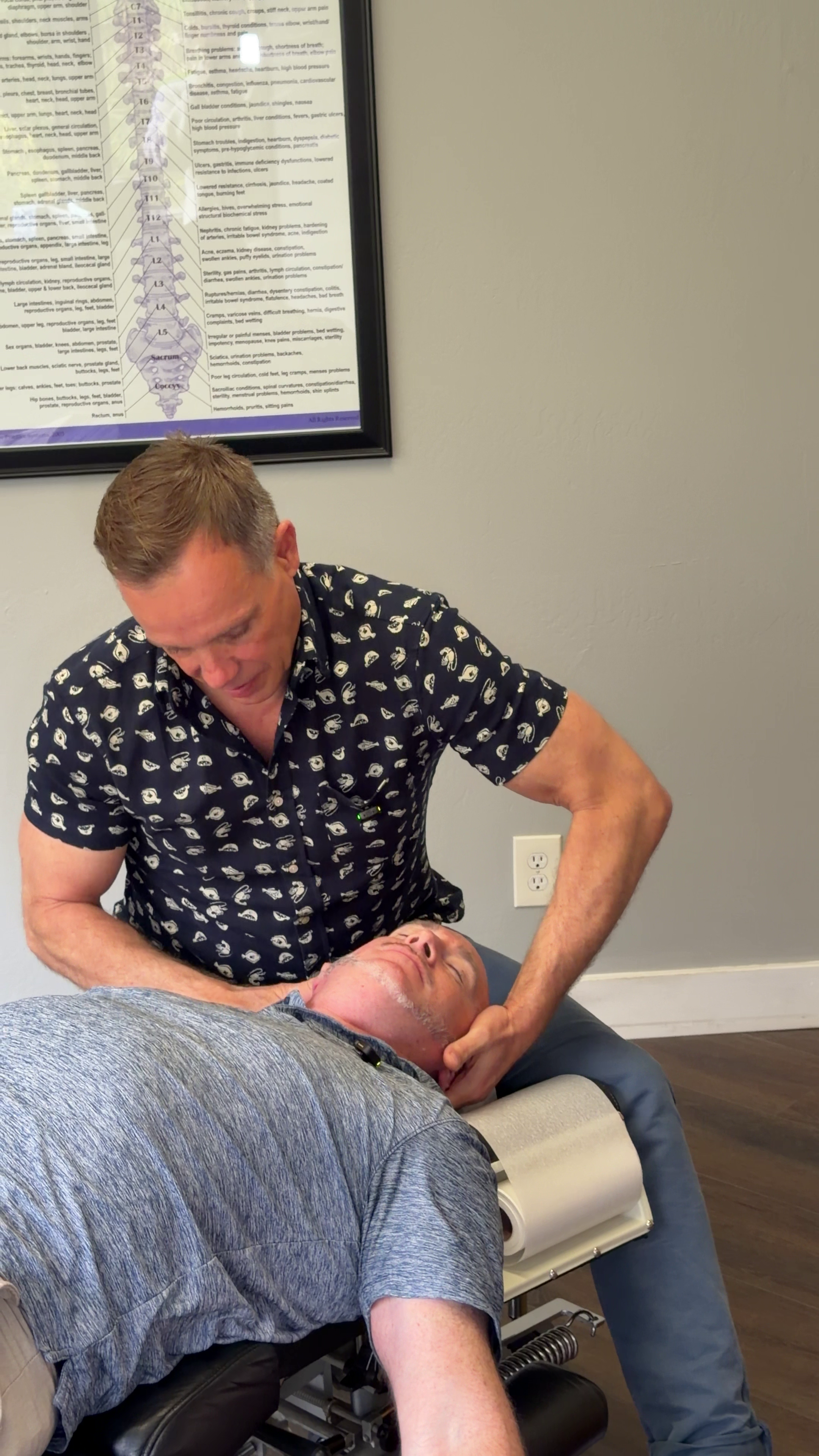
Neck Pain Is Extremely Common
Your neck has a demanding job: it holds up your head while letting you look up, down, and side to side.
The cervical spine, the seven small bones of the neck, balances stability with a lot of mobility. That is useful, but it also means the neck is easy to strain.
Muscles, joints, discs, ligaments, nerves, posture, repetitive activities, injuries, and daily habits can all influence how your neck feels and functions. Neck pain is not simply a spinal alignment problem, and the cause is often a combination of factors. That is why the first step is understanding what may be contributing in your case.
What Does Neck Pain Feel Like?
People describe neck pain in many ways. You may notice one or several of these:
- Soreness or aching
- Stiffness
- Reduced range of motion
- Discomfort when turning your head
- Tight muscles
- Neck and shoulder tension
- Pain after prolonged sitting
- Discomfort when looking down
- Pain when waking up
- Headaches associated with neck tension
- Localized tenderness
- Discomfort that comes and goes
- Persistent neck discomfort
Symptoms vary depending on the underlying cause, and not every symptom originates in the spine. Muscles, joints, and other structures can all be involved, which is one reason a proper evaluation is useful.
Common Causes of Neck Pain
Neck pain rarely has a single cause. These are some of the most common contributors we hear about, including from people searching for answers to neck pain from sitting, computer work, or sleeping.
Sustained Posture
Long stretches of looking down or holding the head in one position, such as computer work, desk work, smartphones, tablets, long periods of sitting, and driving, can increase how hard neck and upper back muscles have to work. Posture is one piece of the picture, not the whole story.
Muscle Strain and Overuse
Repetitive activity, an unusual workout, carrying a heavy bag on one shoulder, holding a position for a long time, or plain muscular fatigue can leave the neck feeling sore and tight.
Sleeping Position
Pillow height, mattress support, stomach sleeping, or staying in one position for hours may contribute to morning stiffness for some people. There is no single setup that suits everyone.
Workstation Ergonomics
Monitor height, chair and desk setup, keyboard placement, laptop positioning, and too few movement breaks can all add up over a workday.
Joint Irritation or Reduced Mobility
The small joints of the cervical spine can become irritated or move differently after repetitive stress, injury, or prolonged positioning, which may show up as stiffness or discomfort when turning the head.
Previous Injury
Sports injuries, falls, and motor vehicle accidents can leave the neck sore or stiff, sometimes for longer than expected. Symptoms that follow an injury are worth having evaluated.
Age-Related Changes
Some wear-and-tear changes in spinal joints and discs are a normal part of aging. Imaging findings and symptoms do not always match: many people with such changes have no pain, and some with pain have unremarkable imaging.
Stress and Muscle Tension
Stress can make people carry more tension in the neck and shoulders. That does not mean the pain is “all in your head”; the tension is real and physical, and it can add to other contributors.
Exercise and Physical Activity
Sudden overexertion can strain the neck, and so can too little movement. Regular, appropriate activity generally supports musculoskeletal health.
How Posture May Affect Your Neck
An adult head is relatively heavy. When it sits forward of the shoulders for long periods, the muscles at the back of the neck and upper back have to work harder to hold it up. Over hours and days, that extra effort may contribute to fatigue, tightness, and soreness.
Posture is dynamic rather than simply “good” or “bad.” The best position is often the next one, so what tends to matter most is how long you stay in any single position. These habits can help:
- Change positions regularly
- Set up an ergonomic workstation
- Keep screens at a comfortable height
- Take movement breaks
- Maintain strength and mobility
- Reduce long, static positions
Dr. Conn considers posture as one part of a broader evaluation, alongside movement, history, and your daily routine.
Neck Pain and Headaches
Some headaches can be associated with tension in the muscles or structures of the neck. People often feel these at the base of the skull or alongside neck stiffness.
Headaches have many possible causes, though, and chiropractic care does not treat all of them. Persistent, severe, sudden, unusual, or worsening headaches warrant an appropriate medical evaluation.
Neck Pain and Shoulder Tension
The neck and shoulders often feel connected because they are. Several muscles span both areas, so strain in one can show up in the other.
Prolonged desk work, stress, lifting, repetitive activity, and sustained posture can all contribute to that tight, achy neck-and-shoulder feeling. Looking at both areas together often gives a clearer picture.
Acute vs. Chronic Neck Pain
Acute neck pain
Symptoms that developed recently, perhaps after an activity, an awkward sleeping position, a strain, or an injury.
Persistent or chronic neck pain
Symptoms that continue, or keep returning, over a longer period of time.
How long you have had pain does not, by itself, identify the cause. If symptoms keep recurring, a more thorough assessment may be more useful than managing the symptoms again and again without understanding what may be contributing.
When Should Neck Pain Be Evaluated?
Mild soreness often settles on its own. Professional evaluation may be appropriate when:
- Pain continues for more than several days
- Symptoms keep coming back
- Neck movement is becoming more limited
- Pain interferes with your work
- Pain disrupts your sleep
- Pain affects your exercise or training
- Symptoms began after an injury
- Discomfort is getting worse rather than better
- Home strategies are not helping
An evaluation helps identify what may be contributing and what options make sense. This page is for general education and does not diagnose any condition.
A Personalized Approach to Neck Pain at Biophysics Chiropractic
Dr. Conn does not assume every case of neck pain has the same cause. A typical evaluation may consider:
- Symptom history and when it began
- Activities that aggravate or relieve symptoms
- Previous injuries
- Work environment
- Sleeping habits
- Posture
- Range of motion
- Movement patterns
- Areas of tenderness
- Lifestyle factors
- Relevant health history
The purpose is to better understand the mechanical or musculoskeletal factors that may be contributing to your symptoms, and to decide whether chiropractic care appears appropriate. If it does not, you will be told and, when warranted, referred. Learn more about Biophysics Chiropractic and Dr. Conn.

Physical and Postural Evaluation
Depending on your situation, Dr. Conn may look at:
- Cervical (neck) movement
- Spinal motion
- Posture
- Shoulder positioning
- Muscular tension
- Movement symmetry
- Functional movement patterns
These observations help build a more complete picture than any single finding could. Posture analysis is one part of that process.
X-Rays When Clinically Appropriate
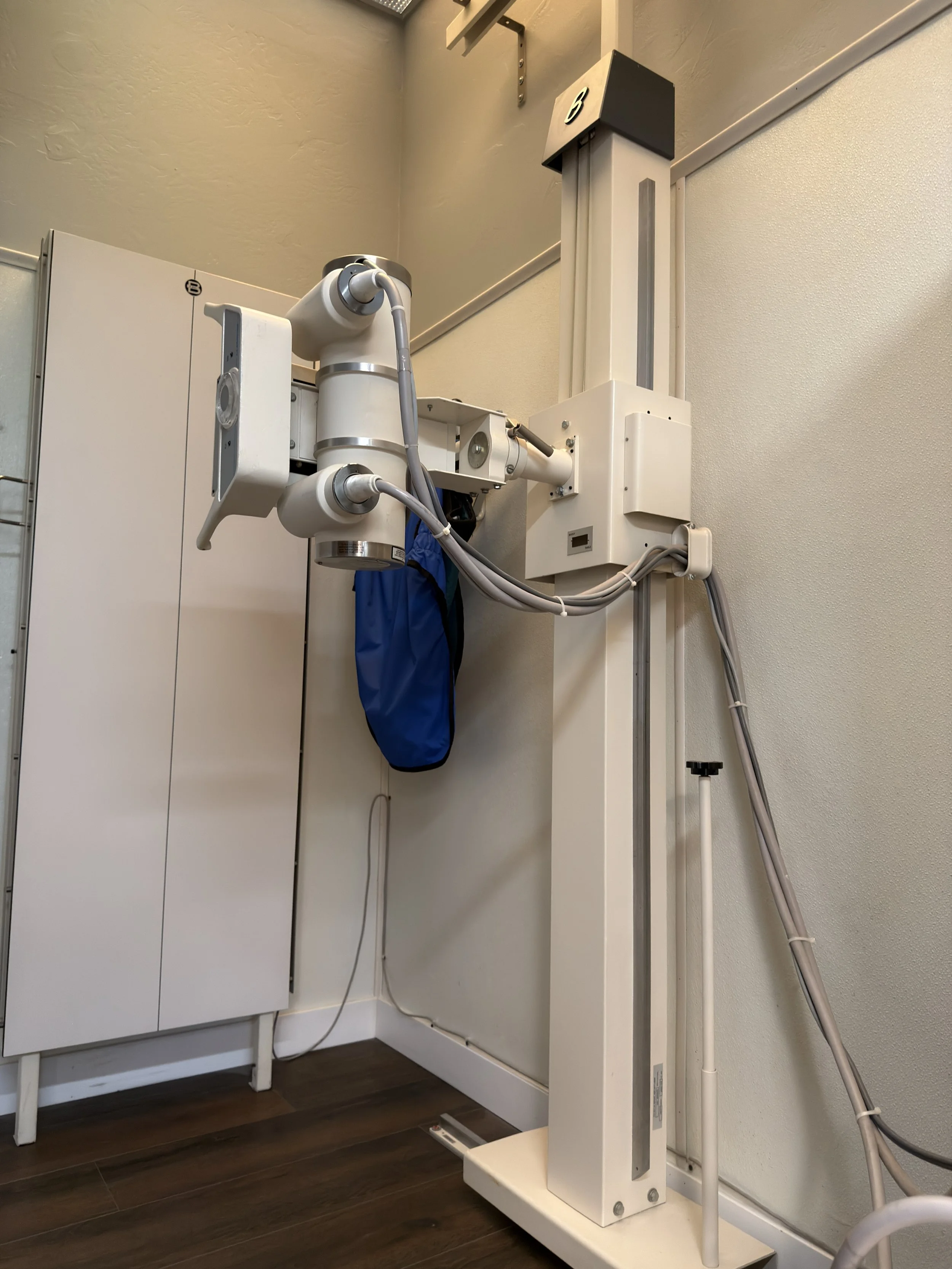
Imaging is not automatically required for every person with neck pain, and many people do not need it. When it is clinically appropriate, X-rays may give additional information about spinal structure to help guide the evaluation.
Whether X-rays make sense depends on your history, symptoms, and examination findings.
Learn more about chiropractic X-rays
Chiropractic Adjustments
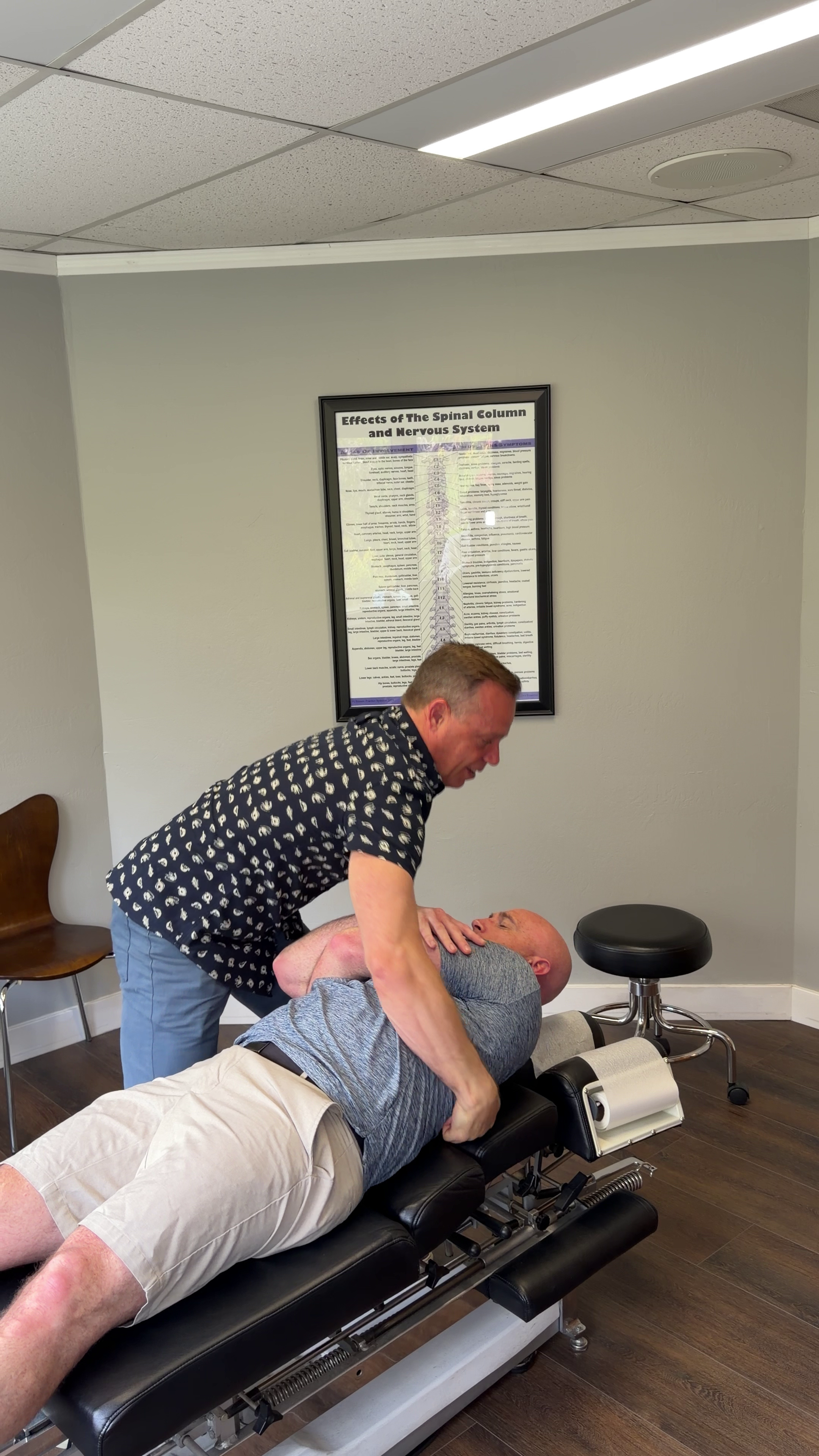
A chiropractic adjustment is a hands-on technique that applies a controlled, specific force to a joint. For certain musculoskeletal presentations, adjustments may be one component of care after an appropriate examination.
Treatment recommendations should depend on your individual presentation. Adjustments are not a cure for neck pain, and they are not appropriate for every case.
Learn more about chiropractic adjustments
Corrective Care
For some patients, care can extend beyond short-term relief to the movement, posture, mobility, and lifestyle factors that may be contributing to symptoms. That kind of plan is built around your goals and how you respond. Results vary, and structural change is not promised.
What Treatment May Include
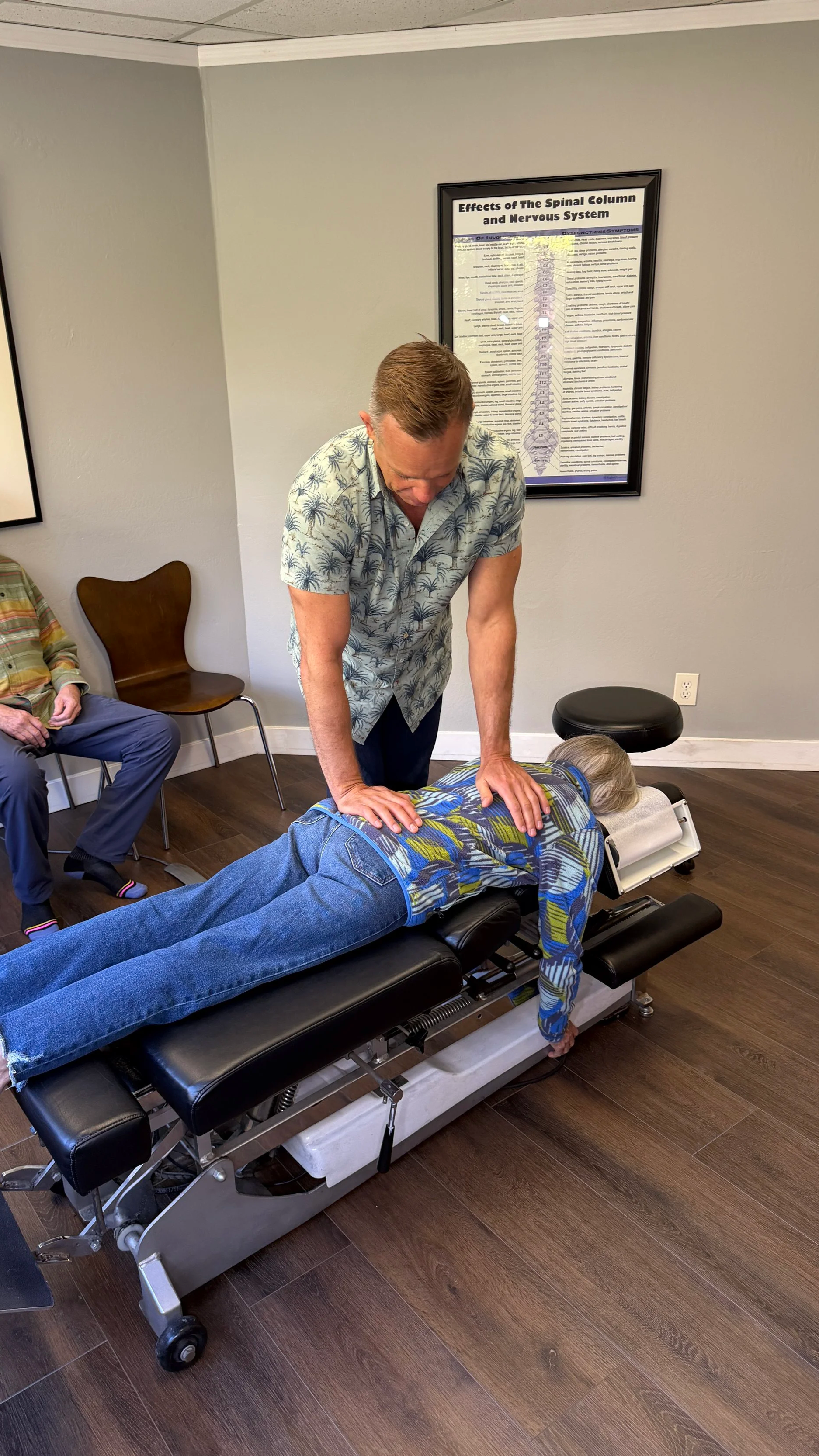
Depending on your examination and individual needs, a conservative plan may involve some combination of the following. Not every patient receives every intervention.
Chiropractic adjustments
When appropriate after an examination.
Mobility recommendations
Targeted ideas to help the neck and upper back move more comfortably.
Posture education
Understanding positions and habits that may be adding load.
Ergonomic recommendations
Practical adjustments to your desk, car, or home setup.
Home exercises and stretching
Simple routines you can do on your own.
Strengthening recommendations
Building capacity in supporting muscles over time.
Movement modifications and activity guidance
How to stay active while symptoms settle.
Lifestyle recommendations
Sleep, movement breaks, and daily-habit suggestions.
Periodic reassessment
Checking progress and adjusting the plan as needed.
Explore the full range of chiropractic care at Biophysics Chiropractic.
Everyday Habits That May Help
Small, consistent changes often matter more than big ones. Individual results vary.
Change Positions Regularly
Try not to stay in one posture for hours. Standing, shifting, and walking for a minute or two can help the neck and upper back.
Adjust Your Screen Height
Position monitors so you are not looking down for long periods. The top of the screen is often near eye level, but find what is comfortable for you.
Use Your Phone Differently
When practical, raise the device toward eye level instead of bending your neck for long stretches.
Take Movement Breaks
Brief, frequent breaks tend to work better than one long break. Gentle shoulder rolls and easy neck movements within comfort can help.
Consider Your Sleeping Setup
Pillow height and sleep position can matter, but there is no universal pillow. If you wake up stiff often, it may be worth experimenting or asking for guidance.
Stay Active
General physical activity and appropriate strengthening can often support musculoskeletal health.
Avoid Resting Too Long
For routine musculoskeletal discomfort, long stretches of complete inactivity are not always helpful. If symptoms are significant, let comfort and professional advice guide your activity.
These suggestions are general education, not medical advice or a substitute for an evaluation. If your symptoms are significant, worsening, or followed an injury, get them checked before changing your routine.
Neck Pain for Desk Workers
If your neck hurts after working on a computer, you are in good company. Many San Diego professionals spend most of the day seated, in the office or at home, and the neck often feels it by afternoon.
The problem is usually less about one “bad” position and more about staying in any position too long. A few practical adjustments can help.
Laptops
A laptop on a desk puts the screen low. A stand or stack of books plus a separate keyboard and mouse lets the screen sit higher.
Dual monitors
Place your main screen directly in front of you. If one screen is used far more, center it instead of splitting the difference.
Long meetings
Raise the camera and screen toward eye level, and change position between calls when you can.
Remote work and home offices
Kitchen tables and couches are rarely set up for hours of work. Even a small adjustment to height and support can help.
Prolonged sitting
Plan short standing or walking breaks. A timer or a recurring calendar reminder can make it easier to remember.
Too few movement breaks
A minute or two of walking or easy stretching often helps more than waiting until the end of the day.
Neck Pain for Active Adults
San Diego is a great place to stay active, and an active life can bring its own neck strain. Neck discomfort is common among people who:
Lifting and gym training
Sudden jumps in load, fatigue, or positioning during pressing, rowing, or overhead work can irritate the neck and shoulder area.
Running and cycling
Holding the head up while bent forward on a bike, or tension that builds through the shoulders on long runs, can leave the neck feeling tight.
Golf and surfing
Repeated rotation, paddling, and looking over the shoulder can load the neck repeatedly.
Recreational sports
Quick contact, falls, and awkward landings can strain the neck.
Time in the car
Long commutes and road trips keep the head forward and still. Adjusting the seat and headrest and stopping for movement breaks may help.
If neck pain is limiting your training or recreation, an evaluation can help sort out whether technique, workload, mobility, or something else may be contributing, and what to do about it.
Frequently Asked Questions About Neck Pain
Can a chiropractor help with neck pain?
Chiropractic care may be appropriate for certain musculoskeletal causes of neck pain, such as stiff or irritated joints and tight surrounding muscles. Whether it fits depends on the underlying cause, which is why an evaluation comes first. If your history or exam suggests something outside routine musculoskeletal care, Dr. Conn can recommend a referral. Individual results vary.
Is neck pain always caused by poor posture?
No. Neck pain can have many causes, including muscle strain, joint irritation, sleep position, prior injury, age-related changes, stress, and activity level. Posture can be one contributing factor, but it is rarely the whole story, which is why a broader evaluation is helpful.
Why does my neck hurt after working on a computer?
Holding the head in one position for long stretches asks the neck and upper back muscles to work continuously, and fatigue can build. Screen height, chair and desk setup, laptop use, and long periods without movement breaks can all add to that load. Small changes in setup and regular position changes often make a noticeable difference, but persistent symptoms deserve a closer look.
Why does my neck hurt when I wake up?
Morning neck pain can be related to sleeping position, pillow height, or holding the neck in one position for hours, which may leave muscles and joints feeling tight. Stress-related tension and daytime habits can also play a role. If you wake up with pain repeatedly, or it is getting worse, it is reasonable to have it evaluated.
Can neck pain cause headaches?
Some headaches can have a neck or muscular component, often felt at the base of the skull or with neck tension. Headaches have many possible causes, though, and not all of them are related to the neck. Severe, sudden, unusual, or worsening headaches should be evaluated promptly by an appropriate medical provider.
How long should I wait before seeing someone about neck pain?
Mild neck soreness sometimes settles within a few days. It is reasonable to seek an evaluation if pain keeps returning, is getting worse, began after an injury, limits your movement, disrupts sleep or work, or is not improving with simple self-care. Anything that looks like a warning sign should be checked promptly.
Do I need an X-ray for neck pain?
Not necessarily. Imaging is not needed for everyone with neck pain. Whether X-rays make sense depends on your history, symptoms, and exam findings. When clinically appropriate, they can provide additional information about spinal structure.
Are chiropractic adjustments painful?
Experiences vary. Many people describe an adjustment as comfortable or as brief pressure, while others notice some temporary soreness afterward. Techniques can often be modified for comfort, and you are encouraged to tell Dr. Conn about any concerns or preferences before or during care.
What happens during my first neck pain consultation?
Your first visit typically includes a conversation about your symptoms and health history, followed by an examination that may look at neck movement, posture, and areas of tenderness. Dr. Conn then discusses what was found and whether chiropractic care appears appropriate, along with recommended next steps. If something falls outside chiropractic care, you will be told so.
Can I visit Biophysics Chiropractic if I have had neck pain for years?
Yes. Having neck pain for a long time does not automatically rule out chiropractic care. An evaluation can help identify possible contributing factors, discuss reasonable options, and determine whether a referral to another provider is warranted.
Can I exercise if my neck hurts?
It depends on the cause and severity of your symptoms. Gentle movement and light activity are sometimes appropriate, while certain exercises may aggravate a sore neck. If your pain is significant, getting worse, or followed an injury, get it evaluated before returning to your usual training.
Neck Pain Care Built Around the Individual
Every neck is different. At Biophysics Chiropractic, Dr. Conn takes time to understand your situation before recommending anything.
- Individualized evaluations instead of one-size-fits-all plans
- Patient education so you understand what is going on
- Posture and movement considerations as part of the whole picture
- Conservative care with clear communication and individualized recommendations
- A family-friendly environment in San Diego
Not sure whether this fits your situation? See who we help or read the new patient information.

Looking for a Neck Pain Chiropractor in San Diego?
Biophysics Chiropractic works with patients from San Diego and surrounding communities who are looking for conservative chiropractic care for neck pain and other musculoskeletal concerns. The clinic is located at 5820 Oberlin Dr, Suite 204, San Diego, California.
If you have searched for a chiropractor for neck pain, or for neck stiffness help near you, a conversation with Dr. Conn can help you understand what may be contributing and whether chiropractic care appears appropriate. You can also visit our homepage to learn more about the practice.
Neck Pain Shouldn’t Have to Control Your Day
Recurring neck pain can affect your work, sleep, exercise, driving, family activities, and overall quality of life. The first step is understanding what may be contributing to your symptoms.
Contact Biophysics Chiropractic to speak with Dr. Conn about whether an evaluation may be appropriate for you.
Prefer to book online? Use the consultation page. You can also email biophysicschiropractic@gmail.com or follow along on Instagram.
Medical disclaimer: This page is for general educational purposes only. It is not medical advice, does not diagnose any condition, and does not replace evaluation by a qualified healthcare professional. Chiropractic care is not a substitute for emergency medicine, primary care, orthopedic care, neurology, or other appropriate medical evaluation. Individual results vary.