

Low Back Pain Chiropractic Care in San Diego
Helping You Understand What May Be Causing Your Lower Back Pain — and What You Can Do Next
Lower back pain can affect everything from getting out of bed to sitting at work, exercising, traveling, or simply enjoying time with your family. Maybe it’s an aching or stiff low back, discomfort after sitting, a twinge when you bend, soreness after lifting or a workout, or pain that keeps coming back and slowly limits how much you move.
At Biophysics Chiropractic, Dr. Conn takes the time to evaluate how your spine, posture, movement and daily habits may be contributing to your symptoms — then talks with you about care options that may be appropriate.
- Individualized evaluation
- Family-friendly practice
- Serving San Diego County
Low Back Pain Is Common — But the Cause Can Vary
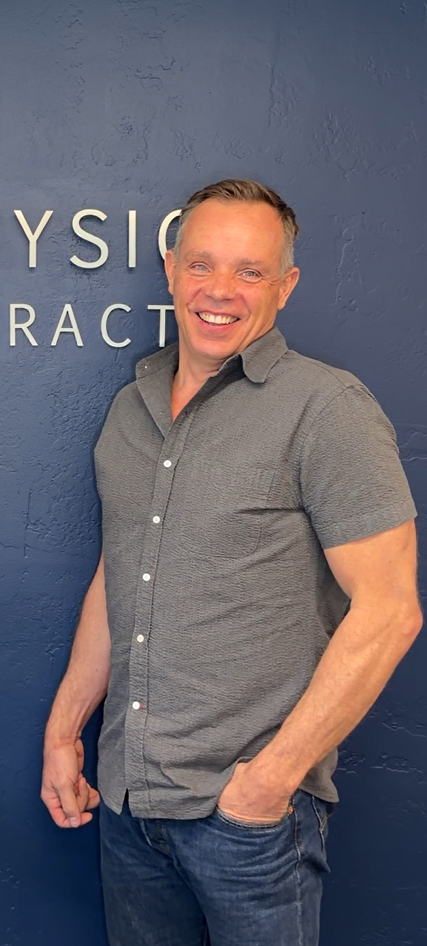
Two people can both say “my low back hurts” and have very different things going on. One may be dealing with muscle tension after a long week at a desk. Another may be feeling joint irritation after a new workout routine. A third may have had an old injury that never fully settled.
That’s why guessing, or relying on a general internet answer, often isn’t enough. Determining the likely contributing factors is an important first step — and not every case of low back pain comes down to the same cause, including spinal alignment.
Lower back discomfort is commonly associated with:
- Prolonged sitting
- Poor ergonomics
- Repetitive movement
- Heavy lifting
- Sudden movements
- Exercise or sports
- Deconditioning
- Muscle tension
- Joint irritation
- Mobility limitations
- Posture
- Spinal mechanics
- Previous injuries
- Age-related changes
Often it’s a combination, which is why a thorough evaluation matters.
Where Is Your “Lower Back,” Exactly?
When people say low back, they usually mean the lumbar region — the curve of the spine between the rib cage and the pelvis.
The lower back doesn’t work alone. It operates together with the pelvis, hips, muscles, ligaments, spinal joints, discs and nerves. Because these structures all interact, low back pain can feel quite different from one person to the next. Some of the ways people describe it:
- Centralized aching
- Stiffness
- One-sided discomfort
- Pain with bending
- Pain after sitting
- Discomfort when standing
- Pain into the buttocks or legs
- Lumbar spineFive larger vertebrae of the lower back (highlighted).
- Sacrum & pelvisThe base the spine sits on, connecting to the hips.
- Discs, joints, muscles & nervesWork together with the bones to support movement.
Common Types of Lower Back Pain People Experience
These are descriptions of how symptoms often show up — not diagnoses. A proper evaluation is how patterns like these get put in context.
Dull or Aching Lower Back Pain
Some people live with a persistent soreness, heaviness or fatigue in the low back that is always there in the background, even when nothing sharp is happening.
Sharp Pain With Movement
Bending, twisting, standing up from a chair or changing positions can bring on a sudden, sharp or catching sensation that eases with rest.
Back Pain After Sitting
Desk work, long drives, flights and prolonged seated posture can leave the low back stiff or sore, especially when standing up after an hour or more.
Morning Back Stiffness
Waking up with a tight, limited low back that loosens up after moving around for a while is a common complaint worth mentioning during an evaluation.
Back Pain After Exercise
Weight training, running, cycling and recreational sports can leave the low back sore. Sometimes that’s normal muscle fatigue; sometimes it’s worth a closer look at movement and training load.
Recurring Lower Back Pain
When episodes keep coming back, it may be worth evaluating movement patterns, posture, workload, recovery and other contributing factors rather than only treating each flare-up.
Back Pain With Leg Symptoms
Numbness, tingling, weakness or pain that radiates into the buttock or leg should receive appropriate clinical evaluation. These symptoms can have different causes than ordinary muscular or joint-related back pain, so they shouldn’t be self-diagnosed.
Why Does My Lower Back Hurt?
There usually isn’t one single answer. These are some of the factors that can play a role — and several often overlap.
Sitting & Desk Work
Prolonged sitting may place sustained stress on the muscles and joints of the low back, particularly when there are few breaks or changes in position.
Lifting & Repetitive Movement
Work tasks, household chores, yard work and exercise can all place substantial demands on the lower back, especially when repeated day after day.
Posture
Posture is one factor among many. It may influence how your body feels, but it should not be treated as the sole cause of low back pain. Learn about posture analysis.
Movement & Mobility
When one area of the body moves less freely, other areas may compensate — sometimes shifting extra load onto the low back.
Exercise & Sports
Training load, fatigue, recovery and technique may all influence how the low back responds to activity.
Previous Injuries
An earlier injury can sometimes affect movement patterns or sensitivity, even long after the original incident.
Lifestyle Factors
Sleep, stress, overall activity level, recovery and general health can all influence how the body handles daily demands — including the low back. Looking at the whole picture is part of understanding why your symptoms may be showing up.
When Should You Have Back Pain Evaluated?
You don’t need to wait until pain is severe. You may consider scheduling an evaluation if:
- Your symptoms aren’t improving
- The pain keeps returning
- Discomfort limits exercise or work
- Sitting or standing has become difficult
- Your mobility seems to be decreasing
- Symptoms interfere with your sleep
- Your pain began after an injury
- You’re simply unsure what’s causing it
Not Sure What’s Behind Your Back Pain?
Talk with Dr. Conn about your symptoms and learn what may be contributing to them.
Your Back Pain Deserves More Than a Guess
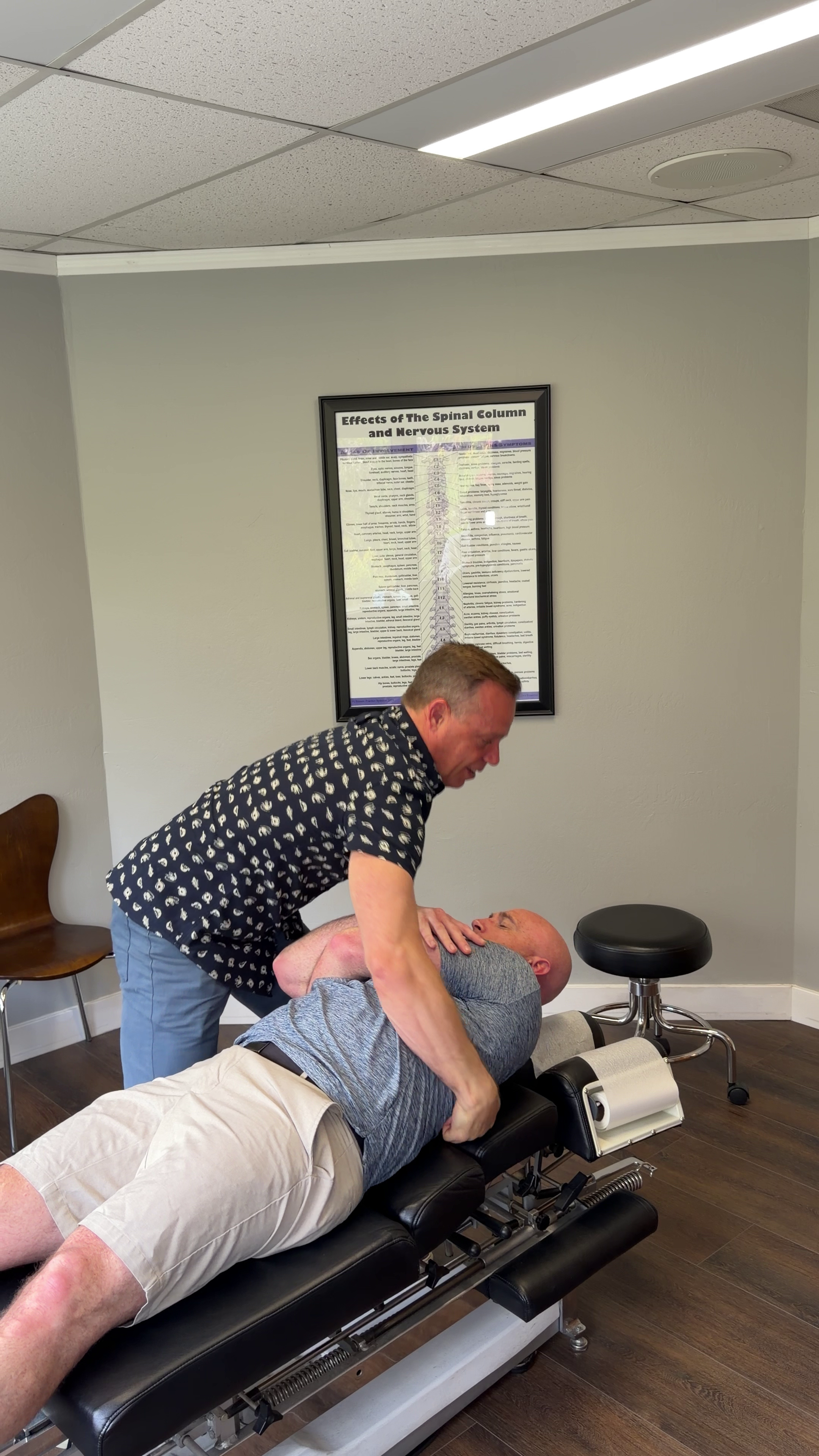
At Biophysics Chiropractic, Dr. Conn’s approach begins with understanding you — not with jumping straight into treatment. The goal of an evaluation is to better understand what may be contributing to your symptoms and to determine whether chiropractic care is appropriate for you.
When clinically appropriate, an evaluation may include:
- Health history and a discussion of your symptoms
- Previous injuries
- Lifestyle and activity history
- Posture and range of motion
- Movement assessment
- Orthopedic or neurological screening, when appropriate
- Spinal examination
- Imaging, when clinically indicated
Not every patient receives every test. What’s included depends on your symptoms and history. New to chiropractic? Read what new patients can expect.
Chiropractic Adjustments for Lower Back Pain
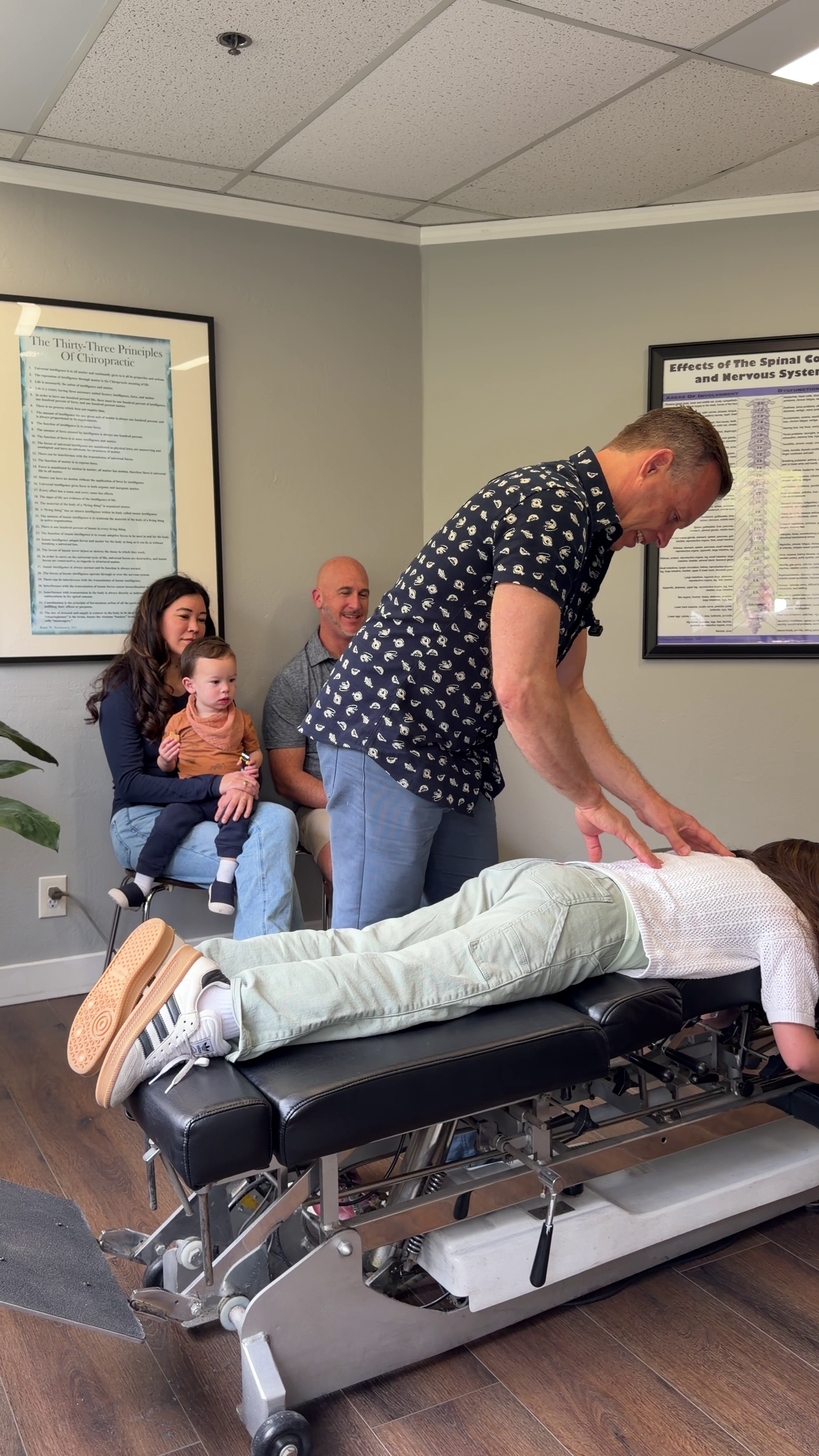
What is a chiropractic adjustment? In plain English, it’s a precise, hands-on technique a chiropractor uses to apply a controlled force to a joint, with the goal of influencing how that joint moves and functions. It is not about “putting bones back into place.”
Depending on examination findings, adjustments may be incorporated into a personalized care plan. The focus is on:
- Joint mobility and movement
- Spinal function
- Comfort
- Care that’s individualized to you
Whether adjustments are appropriate for your low back pain depends on the cause of your symptoms, and individual results vary.
Could Posture Be Contributing to Your Back Pain?
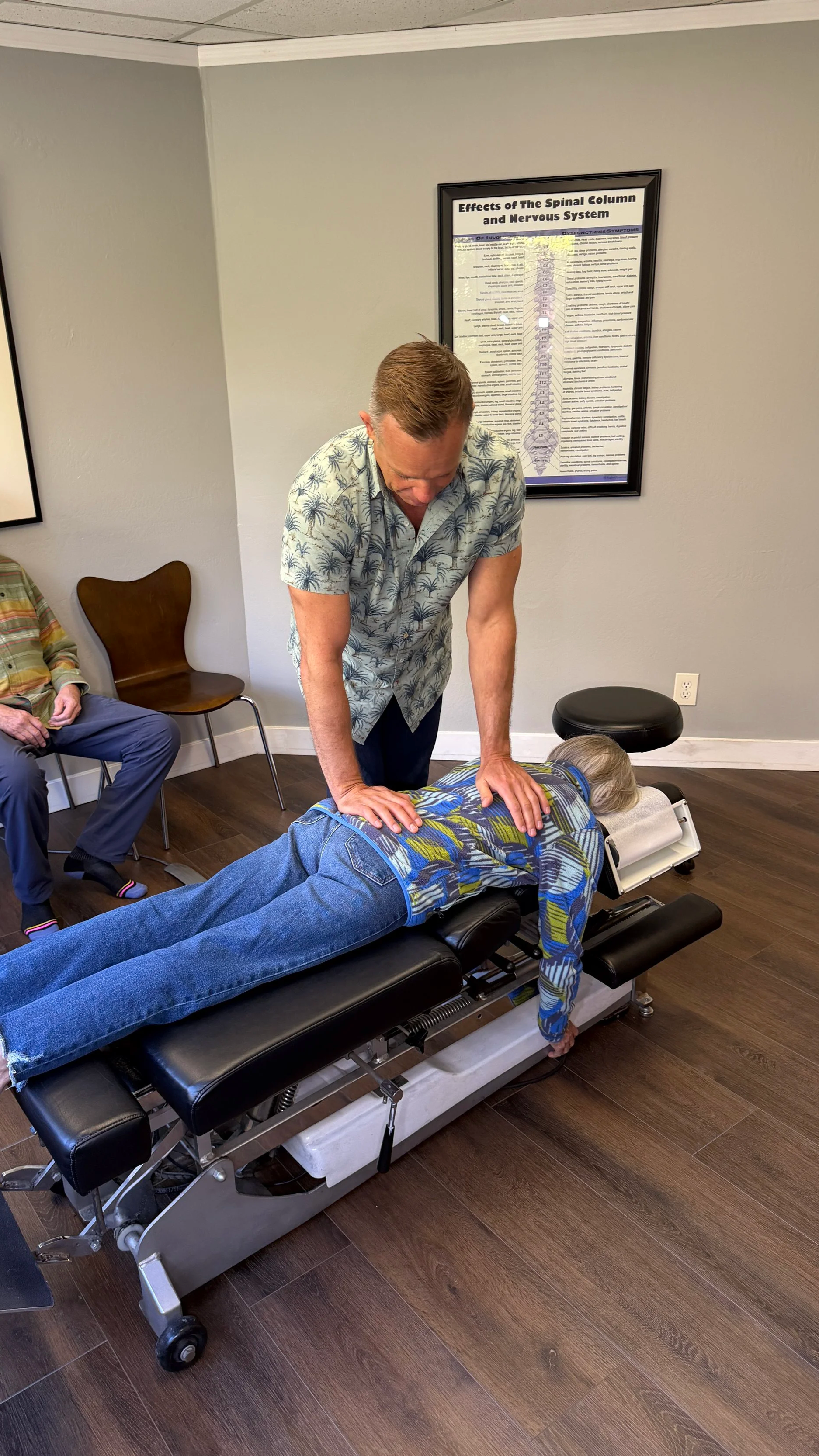
Possibly — but it’s rarely as simple as “bad posture causes back pain.”
Posture, everyday movement habits, how your workstation is set up and how long you stay in one position may all influence how your body feels. Staying in any single position for long stretches — even a “good” one — can leave the body feeling stiff or tired.
These patterns show up in many different lifestyles, including:
- Office workers
- Remote workers
- Students
- Drivers
- Gamers
- Healthcare workers
- Tradespeople
- Parents
- Active adults
A posture and movement assessment can help you and Dr. Conn see how you hold and move your body, then decide what — if anything — is worth addressing.
Beyond Symptom-Focused Visits: A Broader Care Strategy
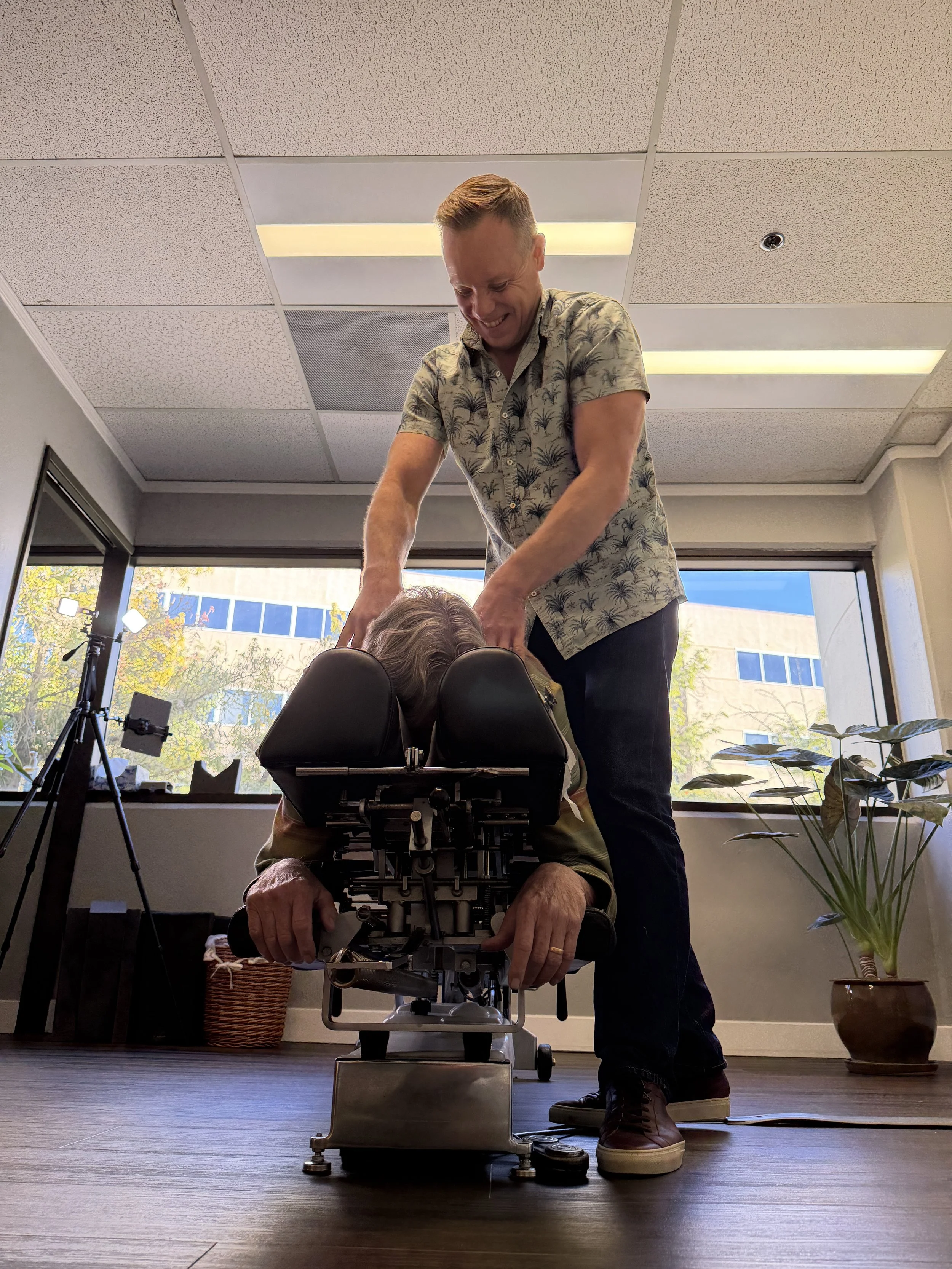
Some patients may benefit from a plan that looks beyond the day’s discomfort and addresses the habits and movement patterns around it.
Chiropractic Care
When appropriate for your findings.
Mobility & Movement Guidance
Recommendations tailored to your body and activities.
Postural Education
Understanding how daily positions affect you.
Periodic Reassessment
Checking progress and adjusting the plan over time.
Home recommendations and lifestyle considerations — such as workstation setup, activity, sleep and recovery — may also be part of a plan. This type of care is individualized, and no particular outcome can be guaranteed. To see how it works, learn about corrective chiropractic care plans.
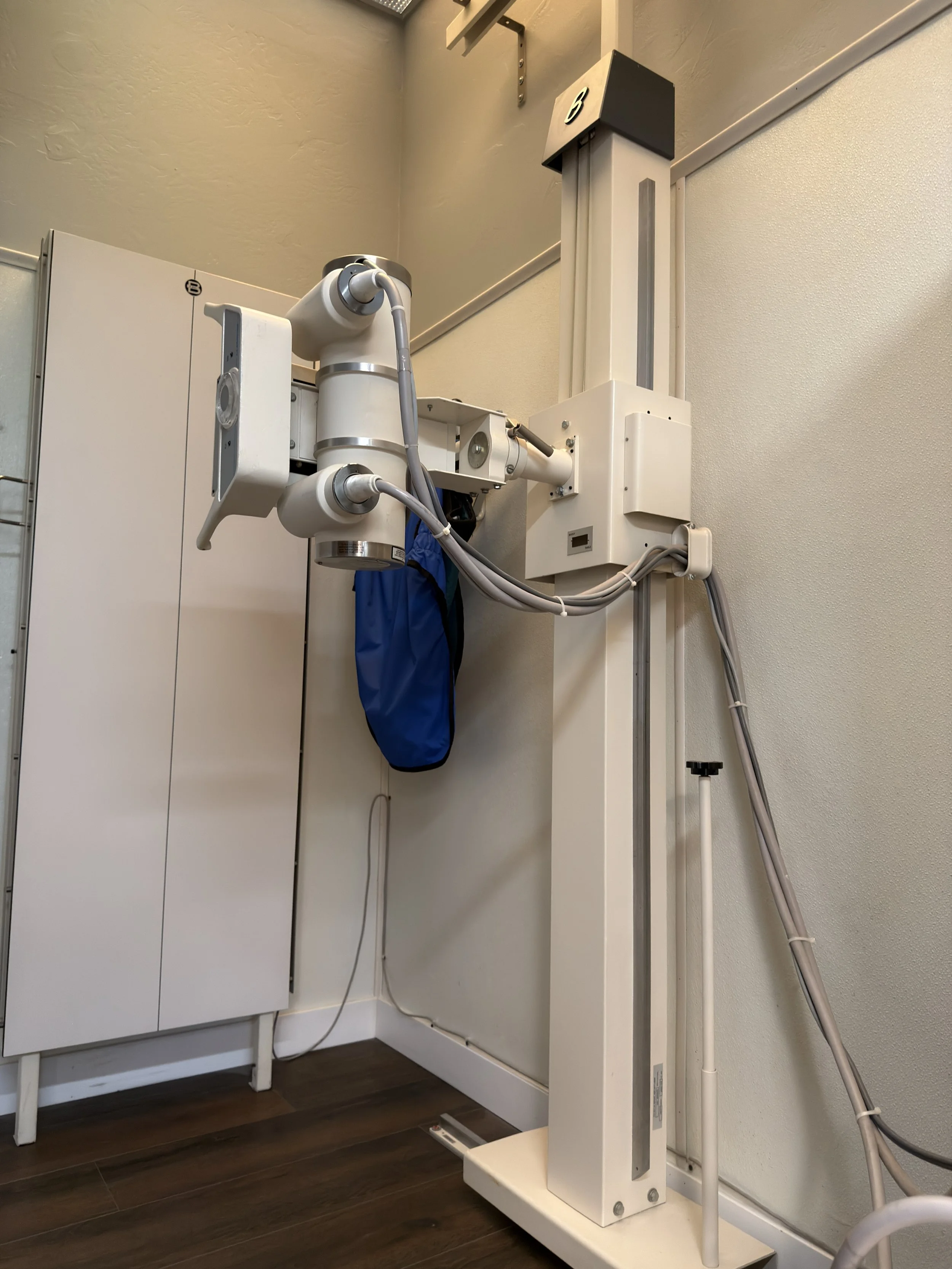
Do You Need an X-Ray for Low Back Pain?
Not every person with low back pain needs an X-ray.
Imaging should be used when it’s clinically appropriate. That decision is based on factors such as your symptoms, health history, physical examination, any recent trauma, clinical findings and other relevant considerations.
If imaging is recommended, it may provide additional information that helps guide clinical decision-making and your care options — and Dr. Conn will explain why it’s being recommended.
People We Often See With Lower Back Pain
Low back discomfort doesn’t discriminate. These are some of the everyday situations our San Diego patients tell us about.
Desk Workers
People spending long hours sitting at a computer.
Parents
Lifting kids, carrying bags and constantly on the move.
Athletes & Active Adults
Runners, lifters, cyclists, golfers, surfers and recreational athletes.
Drivers & Commuters
People who spend significant time seated on the road.
Healthcare & Service Professionals
Jobs with long periods of standing, bending or lifting.
Older Adults
People noticing increasing stiffness or changes in mobility.
Students
Extended studying, device use and sedentary routines.
Weekend Warriors
Fairly sedentary during the week, highly active on weekends.
See more about who we help at Biophysics Chiropractic.

Back Pain Shouldn’t Keep You From Enjoying San Diego
Living in San Diego means staying active: walking and hiking, surfing, golfing, cycling, training at the gym, spending time at the beach — and also commuting, working from home and exploring the city with family. When your low back is stiff or sore, all of that can feel harder.
Biophysics Chiropractic serves patients throughout the San Diego area. We welcome patients from communities throughout San Diego, including:
- Mira Mesa
- Sorrento Valley
- Sorrento Mesa
- Clairemont
- University City
- Carmel Valley
- Torrey Hills
- UTC
- and surrounding San Diego communities
If you’re looking for a San Diego chiropractor who will take time to understand your low back pain, we’d be glad to meet you.
What to Expect at Your First Visit
We emphasize clear communication and patient education at every step, so you understand what we’re finding and why.

Tell Us What’s Going On
Share your symptoms, history, activities and goals. We want to hear what matters to you.
Complete an Evaluation
Dr. Conn evaluates relevant movement, posture and spinal function.
Discuss Findings
Your findings are explained in understandable, everyday language.
Review Your Options
Discuss whether chiropractic care is appropriate and what potential next steps may look like.
Create an Individualized Plan
When appropriate, recommendations are built around your needs and lifestyle.
Want more detail? Read what new patients can expect.
Ready to Talk With Dr. Conn?
Request a consultation and share what you’ve been experiencing.
Why Choose Biophysics Chiropractic?
Biophysics Chiropractic is a San Diego chiropractic practice led by Dr. Conn. Care is designed around the person — not a one-size-fits-all approach. Learn more about Biophysics Chiropractic and Dr. Conn.
- Personalized chiropractic care built around your findings and goals
- Thoughtful evaluations that look at the whole picture
- Clear communication in plain, understandable language
- A family-friendly environment for patients of different ages
- A focus on education so you know what’s happening and why
- A modern approach to evaluation and care planning
- Individualized recommendations rather than generic routines
- A convenient San Diego location for patients across the area
Low Back Pain Chiropractic FAQs
Straight answers to the questions San Diego patients ask most about lower back pain and chiropractic care.
Can a chiropractor help with lower back pain?
Some people with musculoskeletal lower back pain may benefit from chiropractic care, depending on the cause of their symptoms and the findings of a clinical evaluation. Chiropractic care can be one component of care, and it isn’t appropriate for every condition. Dr. Conn can evaluate your situation and discuss whether chiropractic care is a reasonable option. Individual results vary.
How do I know what is causing my lower back pain?
Symptoms alone don’t always reveal the cause, because many different factors can produce similar low back discomfort. An evaluation that considers your health history, activities, movement, posture and examination findings can help identify likely contributing factors and whether additional testing or referral is needed.
Do I need an X-ray for lower back pain?
No, not everyone with low back pain needs an X-ray. Imaging is used when it is clinically appropriate based on factors such as your symptoms, history, examination findings and any trauma. If imaging is recommended, Dr. Conn will explain why. You can also learn about chiropractic X-rays and imaging.
Is lower back pain from sitting common?
Yes, many people notice low back stiffness or discomfort after long periods of sitting at a desk, driving or traveling. Prolonged sitting may place sustained stress on the muscles and joints, but it isn’t always the cause, so it’s helpful to look at your whole routine, including movement breaks, workstation setup and activity level.
Can poor posture cause low back pain?
Posture can be one of several factors that influence how your back feels, but it is rarely the only cause. Movement habits, workstation setup, how long you stay in one position, activity level and previous injuries may all play a role. A posture and movement assessment can help put these factors in context.
Can chiropractic care help after lifting something incorrectly?
If your back pain started after lifting, an evaluation is important, particularly after an acute injury, to understand what may be involved and to screen for anything that needs other medical care. Depending on the findings, Dr. Conn can discuss appropriate care options. Seek urgent medical attention if you have severe pain, significant weakness or loss of bowel or bladder control.
What should I do if my lower back pain keeps coming back?
Recurring low back pain is a good reason to schedule an evaluation. Rather than treating each flare-up in isolation, it can help to look at contributing factors such as activity, movement patterns, ergonomics, workload, recovery, sleep and stress.
How long does lower back pain take to improve?
There is no single timeline. Recovery varies greatly depending on the cause, how long symptoms have been present, your overall health, your activity level and other factors. Dr. Conn can discuss what may be reasonable to expect in your situation after an evaluation, but timelines can’t be promised.
Should I exercise if I have lower back pain?
It depends on your symptoms and their severity. For many people, staying appropriately active is helpful, while certain movements or activities may need to be modified for a time. An evaluation can help determine which activities are reasonable for you and which to adjust.
What if my back pain travels down my leg?
Pain, numbness, tingling or weakness that travels into the buttock or leg may involve nerve irritation and should be evaluated rather than assumed to be ordinary low back pain. If leg weakness is significant or worsening, or if you notice numbness in the groin area or changes in bowel or bladder control, seek urgent medical care.
When should back pain be considered urgent?
Seek prompt medical attention if back pain occurs with significant weakness, sudden loss of bowel or bladder control, numbness in the groin or saddle region, severe trauma, fever with significant back pain, unexplained weight loss, or severe or rapidly progressing neurological symptoms.
What happens during a chiropractic evaluation?
Dr. Conn begins by discussing your symptoms, health history, previous injuries and activities. When clinically appropriate, the evaluation may also include posture and range-of-motion checks, movement assessment, orthopedic or neurological screening, a spinal examination and imaging. Not every patient receives every test. Findings are then explained in plain language, along with whether chiropractic care is appropriate and what next steps may look like.
Does Biophysics Chiropractic see people with chronic lower back pain?
Yes, Biophysics Chiropractic welcomes people with long-standing or recurring low back pain. Because chronic symptoms can have many contributing factors, care begins with an individualized evaluation to determine whether chiropractic care is appropriate and what options may make sense for you.
How do I schedule a consultation with Dr. Conn?
You can request a consultation online, or email biophysicschiropractic@gmail.com. Biophysics Chiropractic serves patients throughout San Diego.
You Don’t Have to Keep Guessing Why Your Back Hurts
If low back pain is making work, exercise, travel or everyday life more difficult, the first step is understanding what may be contributing to it. Schedule a consultation with Dr. Conn at Biophysics Chiropractic and learn what options may be appropriate for you.
Biophysics Chiropractic · 5820 Oberlin Dr, Suite 204, San Diego, CA
Follow us on Instagram
Educational information only. This page is for general educational purposes and is not a substitute for medical advice, diagnosis or treatment. Low back pain can have many causes, and chiropractic care is not appropriate for every person or condition. Individual results vary. If you have severe or rapidly worsening symptoms, seek prompt medical attention.