

What Is Corrective Chiropractic Care?
Corrective chiropractic care looks at the structural and functional patterns of your spine and posture, not only at the spot where you feel discomfort today. The goal of the evaluation is to understand whether movement or alignment patterns may be contributing to problems that keep coming back.
It is one approach among several, and not everyone needs it. At Biophysics Chiropractic in San Diego, Dr. Bart Conn, D.C. starts with a consultation and examination, then explains the findings before recommending any care.
Corrective chiropractic care is an approach that evaluates posture, spinal alignment, movement, and function, then builds an individualized plan when appropriate. A plan may include chiropractic adjustments, corrective exercises, mobility work, ergonomic guidance, and periodic reassessment.
At Biophysics Chiropractic in San Diego, Dr. Bart Conn, D.C. begins with a consultation and examination before recommending any type of care.
Corrective Chiropractic Care, Explained Simply
Many people first visit a chiropractor because of a specific symptom, such as:
- Neck discomfort
- Back discomfort
- Stiffness
- Reduced mobility
- Headaches linked to neck tension
- Postural concerns
Corrective chiropractic care takes a broader view. It may evaluate how your posture, spinal positioning, movement patterns, and biomechanics relate to the problem you are experiencing.
That does not replace attention to your symptoms. It adds a second question, and it is worded carefully on purpose: chiropractic care does not cure disease, and no approach can promise a particular result.
Symptom-Focused Care vs. Corrective Care
Both are legitimate ways to approach chiropractic care. They simply begin from different starting points.
Symptom-Focused Chiropractic Care
- Often begins with a current complaint
- Focuses on reducing discomfort and improving movement
- May involve chiropractic adjustments
- Care may decrease as symptoms improve
- Useful for many short-term musculoskeletal complaints
Corrective Chiropractic Care
- Considers posture and spinal mechanics
- Looks for recurring movement or alignment patterns
- May incorporate objective measurements
- May include posture-specific exercises or rehabilitation
- Progress may be periodically reassessed
- Often follows a structured care plan when appropriate
Neither approach is automatically better for every person. The appropriate type of care depends on the individual, their examination findings, goals, health history, and clinical needs.
What Does “Corrective” Mean in Chiropractic Care?
In this context, “corrective” refers to working to improve measurable mechanical, postural, or functional findings, rather than responding only to symptoms.
Findings an evaluation may look at include:
- Forward head posture
- Uneven shoulder positioning
- Reduced spinal mobility
- Postural imbalance
- Altered movement patterns
- Repetitive mechanical stress
A difference is not a diagnosis. Minor postural differences are common and do not automatically mean something is wrong. Whether a finding matters at all depends on your individual examination, your history, and how you feel and function.
Posture Is More Than How You Stand
A side view shows how the head, shoulders, and spine stack relative to a vertical reference line.
Posture varies naturally between individuals, and there is no single perfect posture. Chiropractic evaluation looks at whether a person’s posture and movement patterns may be contributing to mechanical stress or symptoms.
How Corrective Chiropractic Care Works
Every plan is individual, but the path generally moves through five stages.
-
Step 01
Consultation
You and Dr. Conn talk through what brought you in and what a good outcome looks like for you.
- Current concerns
- Symptom history
- Lifestyle
- Work demands
- Activity level
- Previous injuries
- Goals
-
Step 02
Physical & Postural Evaluation
Depending on clinical need, the examination could include:
- Posture assessment
- Range-of-motion evaluation
- Orthopedic examination
- Neurological screening when appropriate
- Movement assessment
- Palpation
- Functional examination
-
Step 03
Imaging When Clinically Appropriate
X-rays may sometimes be used when clinically indicated, to better evaluate spinal structure or help guide care. Not every patient needs them, and the decision rests on your history and examination findings. Learn more about X-rays at Biophysics Chiropractic.
-
Step 04
Personalized Recommendations
Dr. Conn reviews the findings with you and discusses whether chiropractic care is appropriate. If it is, recommendations may include:
- Chiropractic adjustments
- Corrective exercises
- Mobility work
- Postural training
- Ergonomic guidance
- Home exercises
- Reassessment
-
Step 05
Progress Reassessment
Objective reassessment helps show whether the plan is working, and whether it should change. It may help determine whether:
- Mobility has changed
- Posture has changed
- Symptoms have changed
- Functional ability has improved
- The care plan should be modified
What May Be Included in Corrective Chiropractic Care?
A plan draws only on the pieces that fit your findings and goals. See our page on corrective care plans for more detail.
Chiropractic Adjustments
Adjustments may be used to improve joint motion and support normal spinal mechanics when appropriate.
Postural Analysis
Evaluates how the head, shoulders, spine, pelvis, and overall posture relate to one another.
Corrective Exercises
Individualized movements may be recommended to improve strength, mobility, coordination, and postural awareness.
Mobility & Stretching
Targeted mobility work may address areas of restricted motion.
Ergonomic Guidance
Recommendations may address workstation setup, sitting, standing, sleeping positions, and daily habits.
Progress Assessments
Follow-up evaluations help compare changes over time and determine whether recommendations should be adjusted.
Adjustments are covered in more detail on our chiropractic adjustments page.
Why Do People Explore Corrective Chiropractic Care?
People may choose to discuss chiropractic care when they are experiencing concerns such as the ones listed here. An evaluation can help determine whether musculoskeletal or mechanical factors may be involved.
It is not a promise that any of these will resolve. It is a way to learn what is going on and what options make sense.
You can also read about neck pain and low back pain and how we approach them.
- Recurring neck discomfort
- Low back discomfort
- Forward head posture
- Desk-related stiffness
- Postural concerns
- Reduced mobility
- Repetitive strain
- Sports-related mechanical stress
- Physical demands of work
- Discomfort that repeatedly returns
What About Forward Head Posture?
Forward head posture simply describes a head that sits farther forward relative to the shoulders than a balanced stack would place it.
When that happens, the muscles and joints of the neck may experience different mechanical demands. It is very common among people who spend long hours looking at screens, and its significance varies from person to person.
Dr. Conn can assess head and shoulder position as part of a posture evaluation and explain what he sees in plain language.
Learn About Forward Head PostureDo I Need Corrective Chiropractic Care?
Not everyone who visits a chiropractor needs a long-term corrective care program. Some people do well with a short course of care, and some may not need chiropractic care at all.
What is appropriate depends on:
- Examination findings
- Symptoms
- Health history
- Functional limitations
- Goals
- Response to care
“A consultation and examination should come before deciding what type of chiropractic care, if any, is appropriate.”
That is how Biophysics Chiropractic works: recommendations follow findings, not a one-size-fits-all template.
Corrective Chiropractic Care at Biophysics Chiropractic in San Diego
Biophysics Chiropractic is a family-friendly chiropractic practice in San Diego, California, led by Dr. Bart Conn, D.C. Care emphasizes posture assessment, spinal function, individualized corrective care planning, and chiropractic adjustments.
Biophysics Chiropractic serves patients throughout San Diego and surrounding communities. You can learn more about Dr. Conn or see what to expect on our new patients page.
- Understand the reason you are seeking care
- Perform an appropriate evaluation
- Explain findings clearly
- Recommend care only when appropriate
- Help you understand what you can do outside the office
- Monitor progress over time
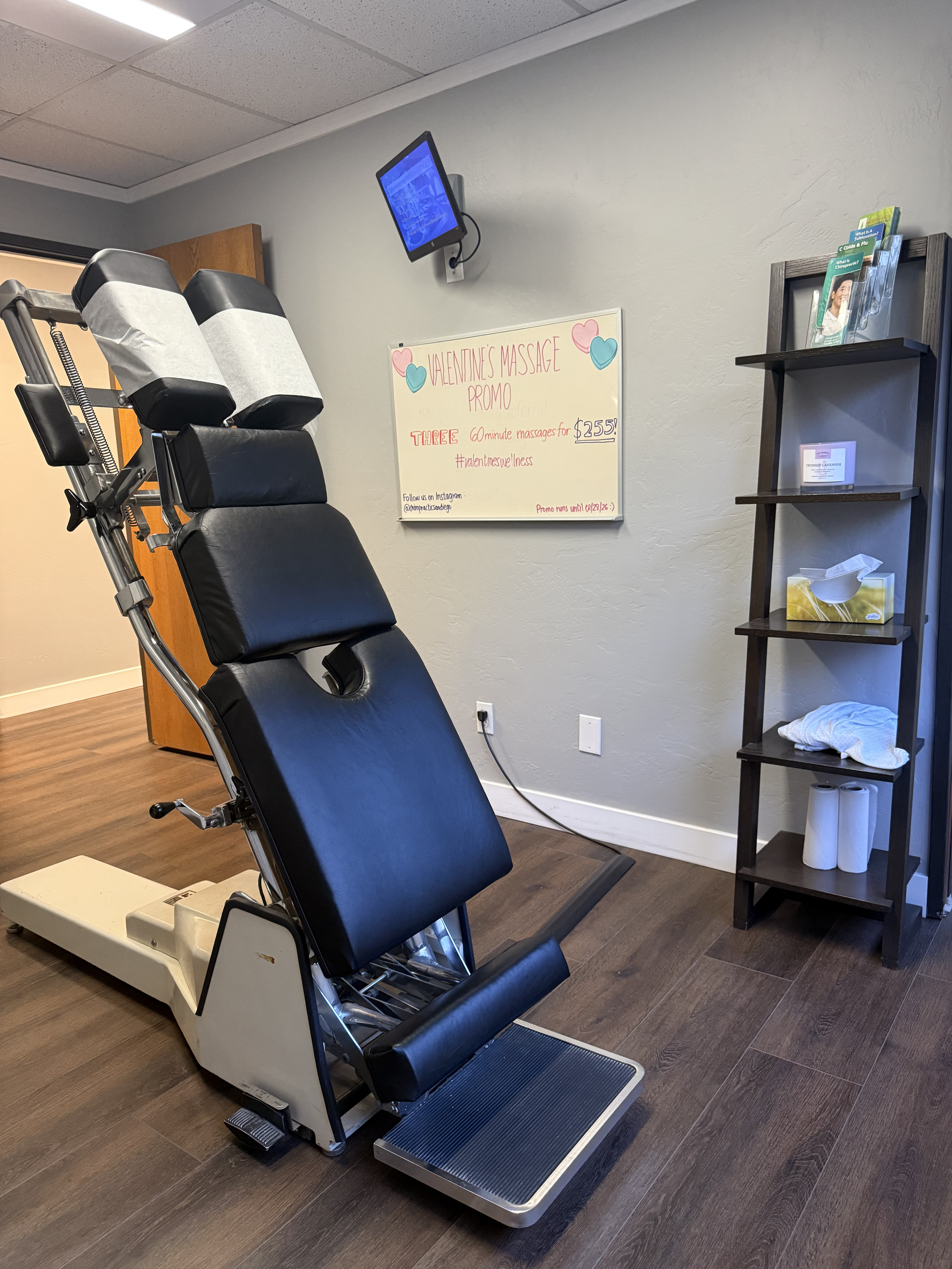
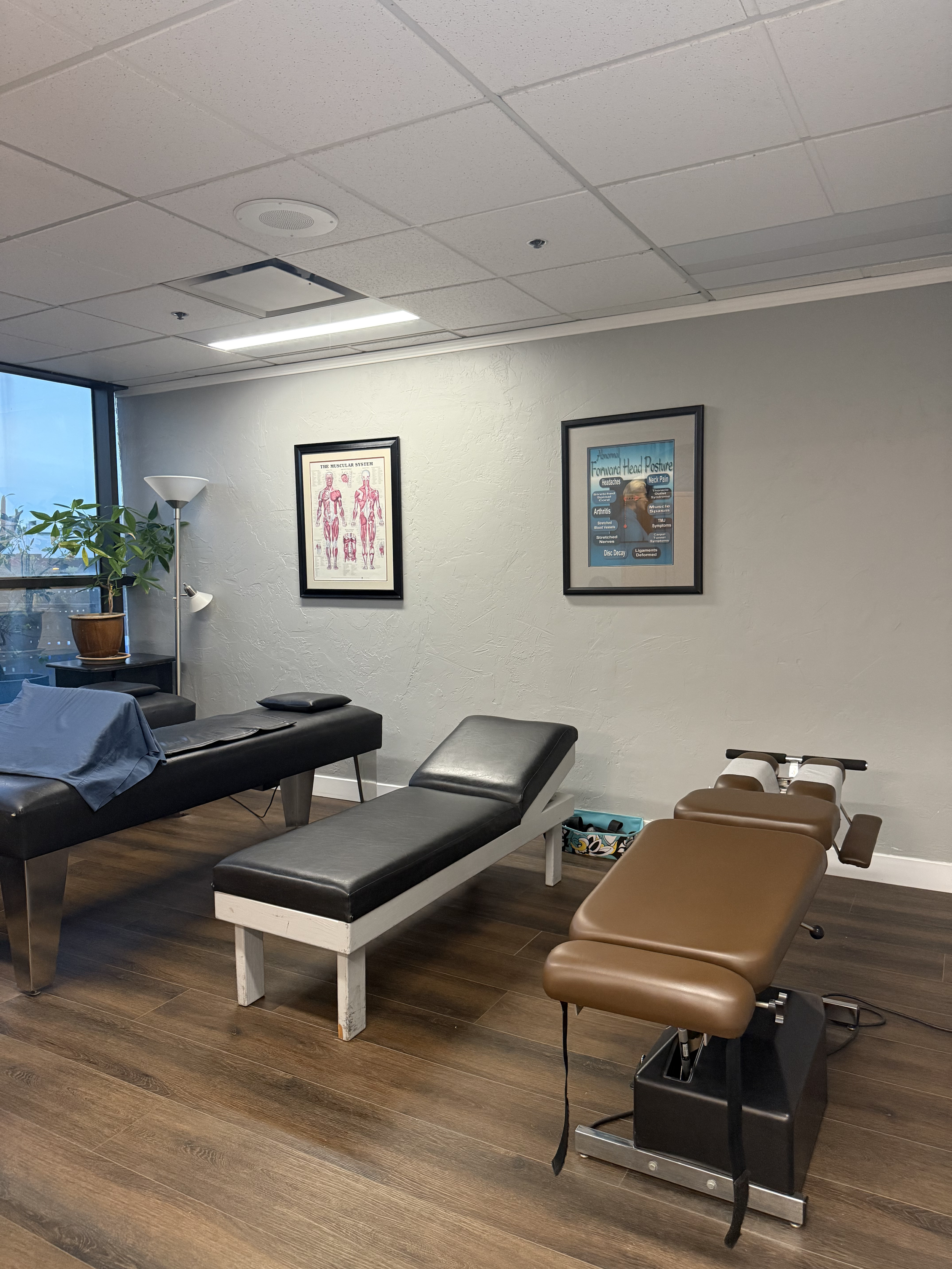
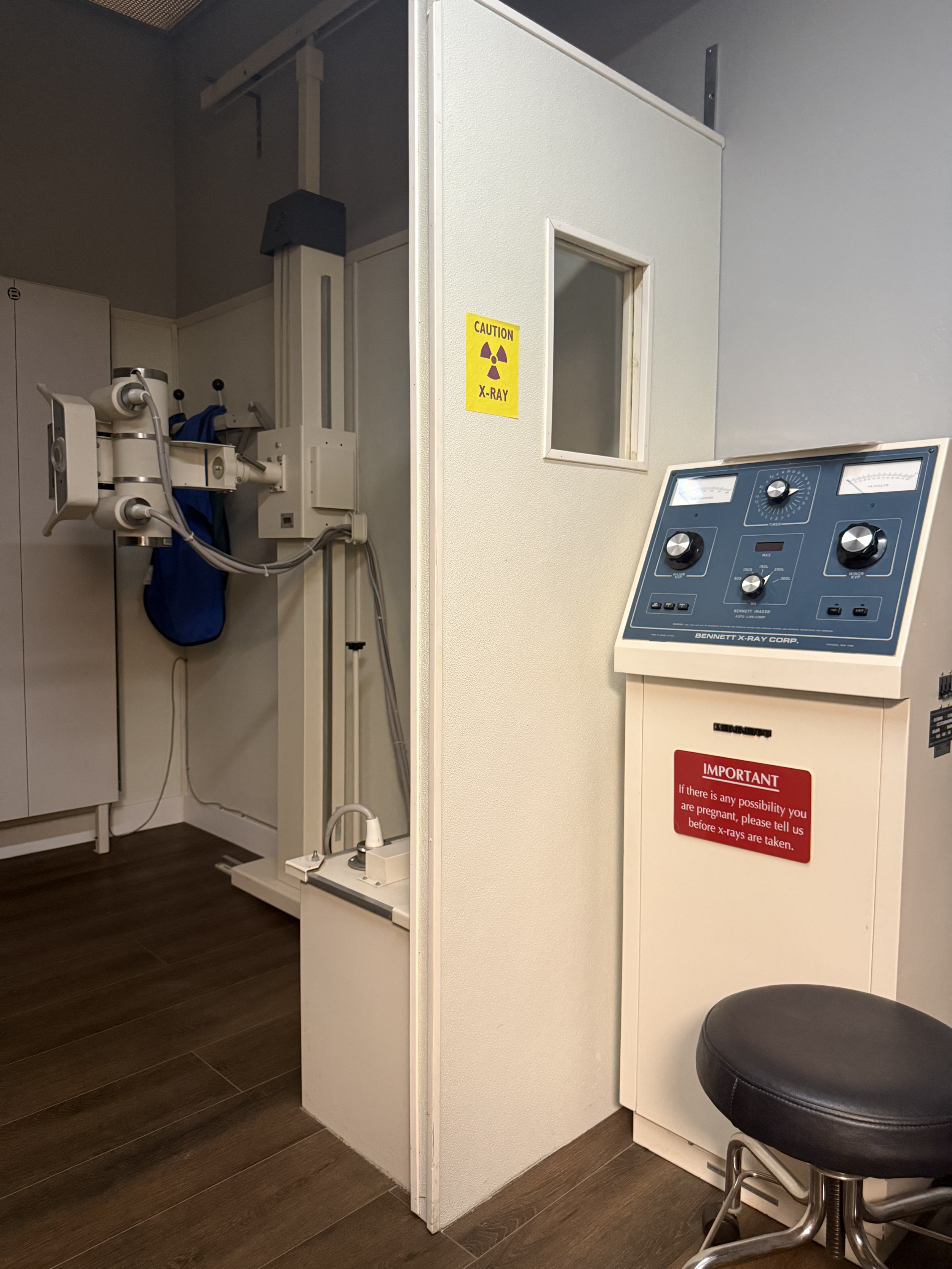
Chiropractic Care in San Diego’s Sorrento Valley–Mira Mesa Area
Biophysics Chiropractic has one office, at 5820 Oberlin Drive, Suite 204, San Diego, CA 92121, in the Sorrento Valley–Mira Mesa area.
Patients visit from Mira Mesa, Sorrento Valley, University City, UTC, and surrounding San Diego communities. Our neighborhood pages explain how each area connects to the office; they are not separate locations.
- Mira Mesa
- Sorrento Valley
- University City
- UTC
- Surrounding San Diego communities
Who Might Consider a Corrective Chiropractic Evaluation?
These groups often have questions about posture and movement. Being in one of them does not mean you need treatment. See who we help for more.
Desk Professionals
People spending many hours working at computers.
Active Adults
People who exercise, train, run, cycle, or participate in recreational sports.
Parents
Adults balancing work, family, lifting, driving, and daily physical demands.
Athletes
People looking to better understand mobility and mechanical limitations.
People With Recurring Discomfort
People whose neck or back symptoms repeatedly return.
Posture-Conscious Patients
People concerned about forward head posture or other visible postural changes.
Corrective Chiropractic Care FAQs
What is corrective chiropractic care?
Corrective chiropractic care is an approach that evaluates posture, spinal alignment, movement, and function to determine whether underlying mechanical patterns may be contributing to recurring problems. It may combine chiropractic adjustments, exercises, mobility work, and periodic reassessment when appropriate.
How is corrective chiropractic care different from regular chiropractic care?
Symptom-focused chiropractic care usually begins with a current complaint and aims to reduce discomfort and improve movement. Corrective care also considers posture, spinal mechanics, and recurring patterns, and may use objective measurements and a structured plan. Neither is automatically better for everyone.
How long does corrective chiropractic care take?
There is no universal timeline. Recommendations depend upon the individual’s examination, goals, findings, response to care, and clinical needs.
Does corrective chiropractic care involve adjustments?
It often can. Chiropractic adjustments may be used to improve joint motion and support normal spinal mechanics when appropriate. Whether adjustments are recommended for you depends on your examination findings and health history. Read more about chiropractic adjustments.
Does corrective chiropractic care include exercises?
Often, yes. Individualized corrective exercises, mobility work, and stretching may be recommended to improve strength, mobility, coordination, and postural awareness, along with home exercises you can do between visits.
Do I need X-rays for corrective chiropractic care?
Not necessarily. Imaging should be recommended based on history, examination findings, clinical need, and professional judgment.
Can corrective chiropractic care help posture?
Chiropractic care, exercise, mobility work, and behavioral changes may sometimes be used as part of a plan addressing postural concerns. Results vary, and no one can guarantee a specific change. Posture also differs naturally between people, so an examination helps determine what is relevant for you.
How do I know whether corrective chiropractic care is right for me?
The best first step is a consultation and examination. Dr. Conn can review your history and findings, explain what he sees, and discuss whether chiropractic care, and which type, is appropriate. Book a consultation to get started.
Where can I get corrective chiropractic care in San Diego?
Biophysics Chiropractic offers consultations and individualized care planning, including corrective care when appropriate, at its San Diego office at 5820 Oberlin Drive, Suite 204, San Diego, CA 92121. Dr. Bart Conn, D.C. evaluates each patient before recommending a plan. Learn more about corrective care plans.
Where is Biophysics Chiropractic, and is it near Mira Mesa or Sorrento Valley?
The office is at 5820 Oberlin Drive, Suite 204, San Diego, CA 92121, in the Sorrento Valley–Mira Mesa area. Patients visit from Mira Mesa, Sorrento Valley, University City, UTC, and surrounding San Diego communities. There is one office; the Mira Mesa and Sorrento Valley pages are neighborhood guides, not separate locations.
Can chiropractic care help with neck pain?
Chiropractic care may help some people with neck pain that has a mechanical or musculoskeletal component, for example by improving joint motion and addressing posture, movement, and workstation habits. It is not right for every situation, and results vary. An examination helps determine the likely contributors and whether chiropractic care is appropriate. See our page on neck pain.
How can a new patient schedule a chiropractic consultation?
You can request an initial consultation with Dr. Conn through the Book a Consultation page, or call Biophysics Chiropractic at (858) 678-8900. The new patients page explains what to expect.
Is corrective chiropractic care painful?
Many people find chiropractic care comfortable, though experiences vary. Some people notice mild soreness after an adjustment or new exercises. Tell Dr. Conn about any discomfort so the approach can be adjusted to suit you.
Can I see a chiropractor if I sit at a desk all day?
Yes. Desk work is one of the most common reasons people ask about posture and neck or back stiffness. An evaluation can help determine whether musculoskeletal or mechanical factors may be involved, and ergonomic guidance on workstation setup and daily habits may be part of your recommendations.
Related Educational Resources
What Is Forward Head Posture?
What it means when the head sits forward of the shoulders.
Read more →Chiropractic Adjustments
What adjustments are and when they may be used.
Read more →Posture Analysis
How posture is evaluated from head to pelvis.
Read more →Corrective Care Plans
How a structured plan is built and reassessed.
Read more →Chiropractic Care
An overview of chiropractic care at Biophysics Chiropractic.
Read more →When to See a Chiropractor
Five signs it might be time to get evaluated.
Read more →Wondering Whether Corrective Chiropractic Care Is Right for You?
If you have questions about posture, recurring discomfort, spinal alignment, mobility, or chiropractic care, schedule a consultation with Biophysics Chiropractic to discuss your concerns with Dr. Conn.
Biophysics Chiropractic · 5820 Oberlin Dr, Suite 204, San Diego, CA 92121 · (858) 678-8900 · Get directions
This page is for general education and is not medical advice. Chiropractic care does not cure disease, and individual results vary. Only an examination can determine what is appropriate for you.